Introduction: The Tattoo
I walked out of the parlour and looked down at my stained forearm. The ink was bold and fresh, and the outline of the symbol was made evident by the puncture marks left from the needle as it had rapidly pierced my skin. The tattoo was small, yet positioned in a place where I would notice. It would serve as a permanent reminder. With it, I had branded myself authentic.
As I write this, some years later, I peer down at my forearm. The tattoo is permanent and unchanged – courtesy of the ink that sits five layers beneath my epidermis. But then I allow myself to ponder… What does it mean to be authentic?
As I sat in the leather parlour chair, and watched the buzzing needle work its way through me, I believed that being authentic was as simple as being genuine, real and true. Yet as I’ve matured, I realise just how difficult this can be to quantify and clarify.
Part I: Confusion
I knew someone who had carpe diem splattered across her foot – she had no idea what it meant. It seemed stupid to me at the time but here I am with the same dilemma, unable to describe the meaning of the word my tattoo symbolises and just as confused.
Part of this is due, in part, to the constant use of the word. With every influencer, educator and professional claiming to be authentic, the word has been overused and oversaturated to the point where it has lost its meaning and resolve.
Part II: Etymology
So before the word became bastardised, what did it represent? The dictionary will provide the same generic and soft explanations as the modern day influencer and because of this, I have to dig deeper to uncover some meaning. In doing so, I notice a pattern.
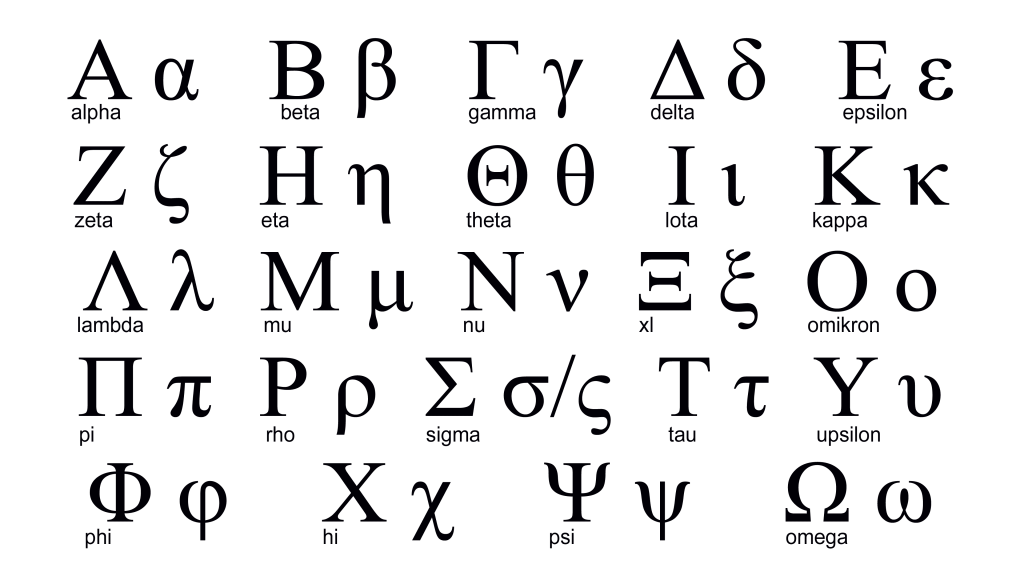
Authentic shares a similar etymology to the words author, authority and authorise. Auth, originates from the Greek autos, meaning self. Using this translation, authentic is an expression of self, and one cannot discuss what it means to be authentic without a full understanding of self, given that this is embedded within the word.
Part III: Self and Persona
Carl Jung, of which many have based their understanding of these complex concepts proposed four major archetypes (universal modes of being): the persona, the shadow, the anima/animus, and the self.
Jung defines the self as: the unification of the conscious and unconscious. Being authentic therefore is an incorporation of the conscious and unconscious elements of one’s nature; the full manifestation of one’s being. Contrasting this, the persona, Jung defines as: the face that one presents to the public. The modern day influencer more closely resembles this archetype and despite their claims to authenticity, in more cases it is Ego – the constructed beliefs around identity, and not self being demonstrated.
If we extend this thought experiment further, how can anyone express fully their person through a social media post, an advertising campaign, quote or sound bite? The answer is, they can’t – it is impossible, and therefore anything promoted through these platforms can and never will be authentic. It will only ever offer a mere snapshot; a moment in time; a static and unchanging impression, and usually, only what the subject wants the public to see.
Part IV: Ego or Self
When defining authenticity, I recognise that I have frequently confused Ego and Self. The logical conclusion would be to totally eliminate Ego from the occasion to be considered authentic, although this is not the case either. Ego helps us to individuate and is therefore essential in this equation. However, too much individuation (and subsequent separation) and one becomes selfish, narcissistic, hubristic and proud – they create a persona based on who they think they are (or want to be). In short, they create an illusion not authenticity. Self, on the other hand, is concerned with reality in its fullness. And authenticity is to live in this reality (the present) as a unique individual – an Ego.
The authentic human is familiar with this delicate balance; it is what makes them authentic. To understand oneself through a rigorous assessment (the conscious) while also pursuing (and accepting) what is not yet discovered (the unconscious). It is the dance between intellectualising to gather a sound and structured understanding (Ego); and intuiting to know and feel deeply that which cannot be justified (Self).
Part V: Dichotomy and Paradox
This is the dichotomy that has long evaded me and I can see why trying to wrap my head around this is taking so long. So instead of one definitive answer for the question I posed at the commencement of this exploration – “What does it mean to be authentic?” – I have many, layered and complex ideas and the challenge appears to be, tying this all together. I don’t know if it is possible…
Perhaps that is the point though. Because in simplifying it all, maybe I am guilty of creating the equivalent of a social media post, an advertising campaign, quote or sound bite. I’ve arrived at the Socratic paradox – “I know that I know nothing” – conscious enough to accept the unconscious.
Conclusion: Not Knowing
I look down at my tattoo again: I thought I knew who I was that day, sitting upright in the leather chair, but now I see how much I had been misled. Today however, I recognise how much I don’t know, but I feel now that at least I’ve started digging down the right rabbit holes.
So if someone were to stop me in the street today and ask me what my tattoo means, the short answer would be “I don’t know”. But for the first time since getting it, that answer feels perfectly appropriate.
 CHANGE IS THE POINT